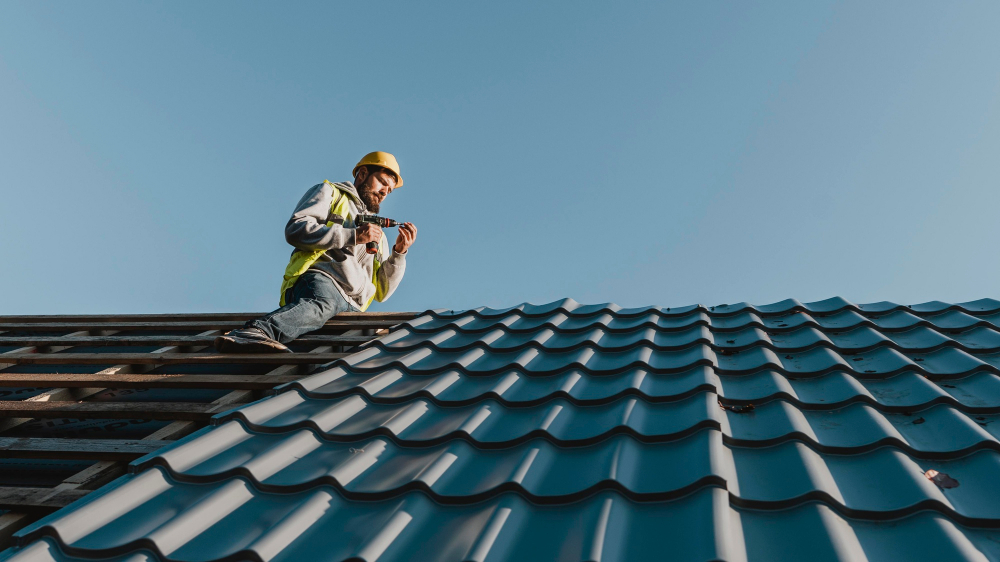
Your roof is more than just a protective covering it’s a critical barrier that shields your entire building from the elements. When roofing issues go unaddressed, the damage often extends far beyond the surface, leading to expensive structural problems over time. Professional roofing repair techniques play a key role in identifying early warning signs, controlling moisture intrusion, and preserving the integrity of the structure beneath.
Small Roofing Issues Can Lead to Big Structural Problems
Roof damage rarely begins with a sudden collapse or visible failure. In most cases, it starts with subtle issues such as worn flashing, loose fasteners, minor membrane separations, or clogged drainage systems. These problems are often difficult to spot from the ground but can quietly allow moisture to enter the roofing system.
Once water penetrates the roof, it doesn’t stop there. Structural components like decking, framing, and insulation become exposed, creating the potential for deterioration that worsens over time if left untreated.
Moisture Intrusion Is the Biggest Threat
Water intrusion is the primary cause of roof-related structural damage. When moisture reaches underlying materials, it can weaken wood, corrode metal components, and reduce insulation effectiveness. Over time, this leads to compromised load-bearing capacity, mold development, interior damage, and reduced energy efficiency.
Professional roofing repair techniques are designed to interrupt this process early—before moisture has the opportunity to spread and cause widespread damage.
Targeted Assessments Address the Root Cause
One major advantage of professional roofing repair is the focus on diagnosis rather than temporary fixes. Instead of simply patching visible damage, experienced roofing professionals assess the entire system. This includes evaluating substrate conditions, attachment methods, drainage patterns, and areas of repeated stress.
By addressing underlying causes, professional repairs help prevent recurring problems that surface-level solutions often fail to resolve.
Flashing Repairs Protect Vulnerable Areas
Flashing plays a vital role in roof performance, sealing transition points where the roof meets walls, vents, skylights, and mechanical equipment. These areas are especially vulnerable due to movement, temperature fluctuations, and concentrated water flow.
Professional flashing repair restores continuity at these critical intersections, reducing the risk of leaks that can expose interior structural components to moisture.
Proper Drainage Reduces Long-Term Stress
Poor drainage allows water to pool on the roof surface, increasing pressure on roofing materials and accelerating wear. Professional repair techniques address drainage issues by clearing obstructions, improving slope where possible, and reinforcing water pathways.
Efficient drainage helps protect both the roofing system and the structural elements below by minimizing prolonged moisture exposure.
Material Compatibility Matters
Roofing systems are made up of materials designed to work together. Using incompatible products during repairs can unintentionally create new failure points. Professional roofing repair accounts for system design, material properties, and environmental conditions to maintain overall performance and durability.
Weather Often Reveals Existing Weaknesses
Storms, high winds, hail, and freeze-thaw cycles typically expose vulnerabilities that were already present. Post-weather inspections allow professionals to identify compromised areas and address them before water intrusion worsens. Timely repairs after severe weather events can significantly reduce the risk of hidden structural damage.
A Proactive Approach Saves Money Over Time
Preventive roofing repair focuses on maintaining system integrity rather than reacting to leaks or interior damage. Scheduled evaluations and early corrective action help extend roof lifespan and reduce the likelihood of costly structural remediation.
Interior warning signs—such as ceiling stains, unusual humidity levels, or temperature inconsistencies—often signal developing roofing issues. Professional assessments connect these interior indicators with exterior conditions for a complete understanding of the building’s health.
Long-Term Protection Starts at the Roof
Structural repairs caused by roofing failure are often far more expensive than timely roof repairs. Addressing issues early helps avoid extensive remediation involving framing replacement, mold treatment, and interior reconstruction.
Documentation from professional inspections and repairs also supports informed maintenance decisions, insurance claims, and long-term asset management as buildings age.
The Bottom Line
The connection between roofing performance and structural integrity is direct. Professional roofing repair techniques help protect buildings by identifying vulnerabilities early, using system-appropriate materials, and preventing moisture from reaching critical structural components.
By maintaining and repairing roofs with professional expertise, property owners can significantly reduce the risk of costly structural damage and extend the overall lifespan of their buildings. At Madison Roofing & Siding, we bring proactive approach to roof repair services in Sugar Land, helping property owners address early-stage roofing issues before they escalate into costly structural damage. Our team focuses on thorough inspections, material-appropriate repairs, and long-term roof performance to safeguard your home or building. If you’ve noticed signs of wear, moisture concerns, or storm-related damage, now is the right time to act. Contact us today to schedule a professional roof evaluation and help protect your property from preventable structural issues.