Severe storms and high winds are among the leading causes of exterior home damage across the United States. While hurricanes and tornadoes often make the news, even routine thunderstorms can produce wind gusts strong enough to tear away shingles, loosen siding, or turn unsecured outdoor items into dangerous projectiles.
Preparing your roof and siding before storm season isn’t just preventative maintenance—it’s a smart investment in your home’s safety, structure, and long-term value. With the right inspections and materials, homeowners can significantly reduce costly repairs and storm-related stress.
Why Wind Preparation Matters
High winds place intense pressure on a home’s exterior. When roofing or siding is already weakened by age, poor installation, or wear, even moderate gusts can cause serious damage. Common storm-related issues include:
- Missing or lifted shingles
- Torn or detached siding panels
- Water intrusion from compromised seams
- Damage caused by flying debris
Proactive preparation helps protect your home’s envelope, prevent moisture damage, and maintain structural integrity during extreme weather events.
Start With a Thorough Exterior Inspection
Before storm season arrives, conduct a detailed exterior inspection or schedule one with a professional. Key areas to review include:
Roof
- Loose, curling, or missing shingles
- Damaged flashing around chimneys and vents
- Exposed fasteners or underlayment
- Worn ridge vents or roof edges
Siding
- Cracked, warped, or loose panels
- Damage near corners, windows, and trim
- Signs of moisture intrusion or staining
Gutters & Drainage
- Securely fastened gutters and downspouts
- No debris blocking proper water flow
Sealants
- Dried, cracked, or missing caulk around windows, doors, and siding seams
Document any problem areas with photos—this can be helpful for repairs and insurance claims.
Roof Types and Their Vulnerability to High Winds
Asphalt Shingle Roofing
Asphalt shingles are common but can be vulnerable to wind uplift, especially when aging or improperly installed. Edge shingles and ridge areas are most at risk. Wind protection can be improved with:
- Proper nail placement
- Starter strips along roof edges
- Reinforced sealing at ridges and valleys
Wood & Composite Roofing
Wood shakes and composite shingles offer visual appeal but require regular maintenance. High winds combined with driving rain can lead to cracking, moisture intrusion, and rot. Routine sealing and flashing inspections are essential.
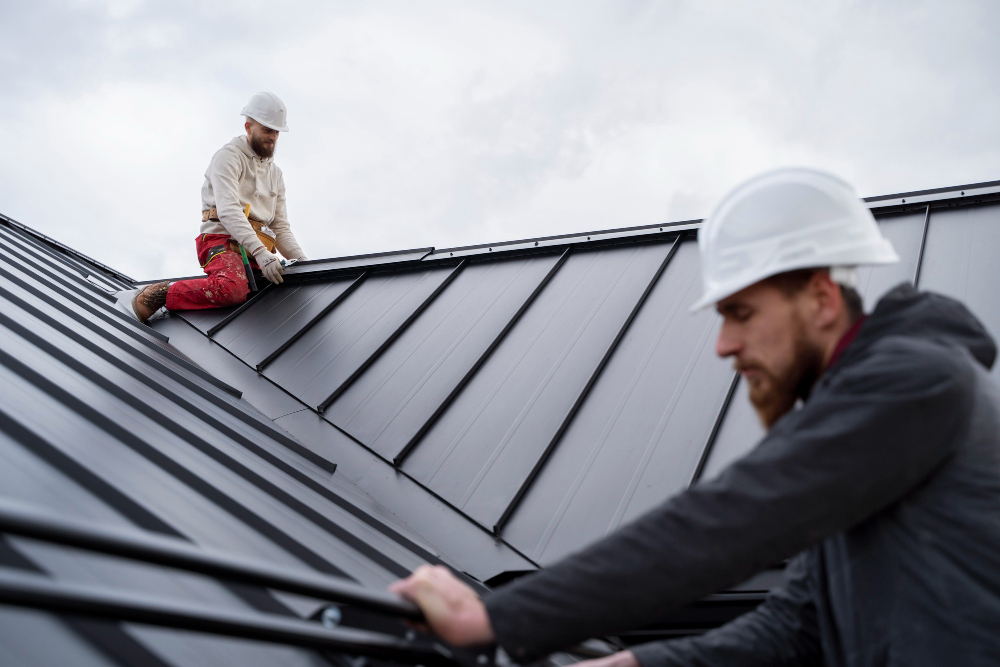
Metal Roofing
Metal roofing is one of the most wind-resistant options available. Interlocking panels, concealed fasteners, and rigid construction help prevent uplift during storms. Benefits include:
- Superior wind and impact resistance
- No cracking, warping, or moisture absorption
- Fire resistance and long service life
- Minimal maintenance requirements
For homeowners in storm-prone areas, metal roofing offers long-term durability and peace of mind.
Siding Types and Storm Readiness
Vinyl Siding
Vinyl siding is lightweight and affordable, but high winds can cause panels to flex, crack, or detach. Once damaged, sections often need full replacement.
Wood Siding
While visually appealing, wood siding is vulnerable to wind-driven rain. Without consistent sealing and maintenance, it can warp, swell, or rot over time.
Fiber Cement Siding
Fiber cement is durable and fire-resistant, but it can crack if struck by flying debris. Proper installation and sealed joints are critical for storm protection.
Metal Siding
Steel siding provides exceptional wind resistance and long-term durability. Advantages include:
- Interlocking panels designed to stay secure
- No swelling, splitting, or fading
- Concealed fasteners for a clean appearance
- Long warranties and low maintenance
Among all siding options, metal is uniquely engineered to withstand severe weather with minimal upkeep.
Preventive Maintenance That Makes a Difference
Small maintenance tasks can have a big impact before a storm hits:
- Clean gutters and downspouts
- Trim overhanging tree branches
- Secure outdoor furniture, grills, and décor
- Reinforce soffits, vents, and flashing
- Ensure attic ventilation is balanced to reduce pressure build-up
A few hours of preparation can prevent thousands of dollars in storm damage.
When to Consider an Upgrade
If your roof or siding is nearing the end of its lifespan—or you’ve experienced repeated storm repairs—it may be time to upgrade. Look for materials that offer:
- High wind uplift ratings
- Impact resistance certifications
- Long manufacturer warranties
- Low maintenance over decades
Durable materials like metal roofing and siding provide long-term protection and can reduce future repair costs.
A Stronger Exterior Starts with Preparation
Storm damage can’t always be avoided but preparation makes a measurable difference. By inspecting your exterior, maintaining key components, and choosing durable materials, you can protect your home before the next storm arrives.
A well-secured roof and siding system is your first line of defense against high winds make sure it’s ready.
Madison Roofing & Siding provides reliable roofing and siding solutions in Sugar Land, helping homeowners prepare their exteriors before high winds and severe storms strike. From detailed inspections to durable repairs and upgrades, our experienced team ensures your roof and siding are built to withstand Texas weather. Don’t wait for storm damage to appear protect your home with proactive exterior care. Contact madisonroofingtx.com today for a professional evaluation and peace of mind.